Leica M (Typ 240)
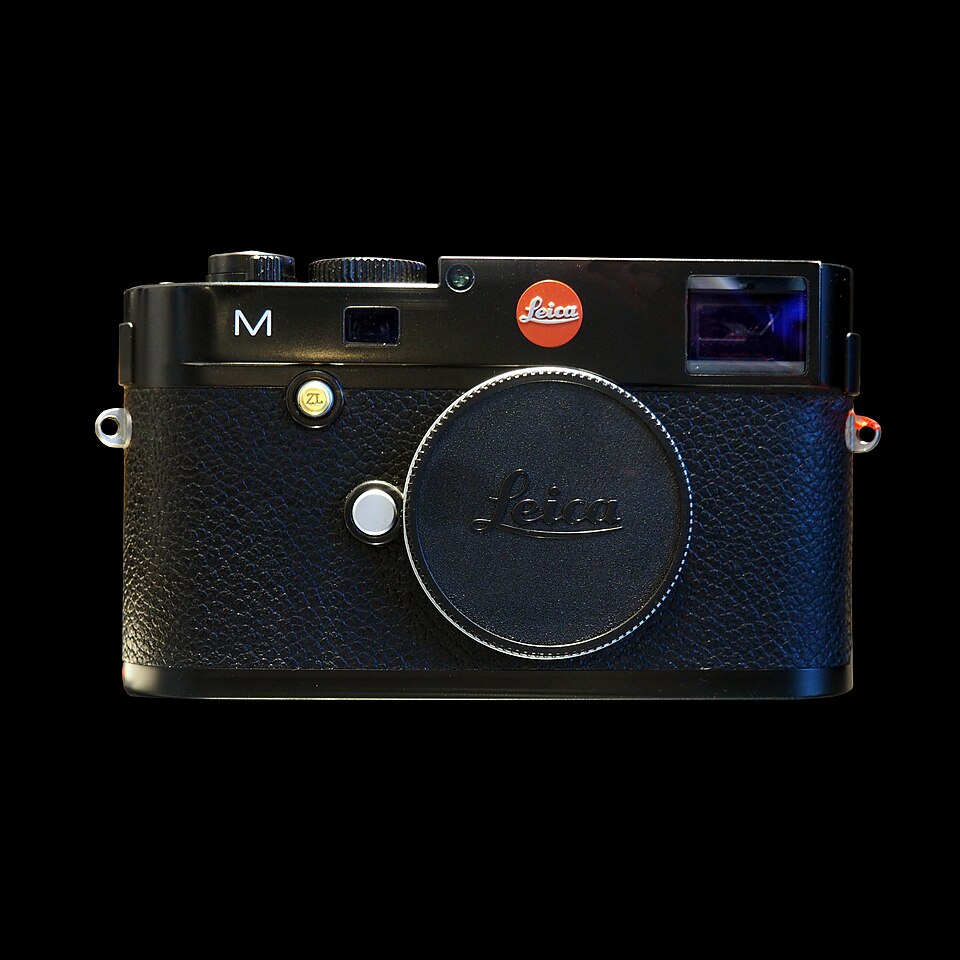
Famous for
- The first M with video capability and live view — bridging the M tradition with modern demands
- First M to use a CMOS sensor, enabling live view and video
The Leica M (Typ 240), released in late 2012, was a significant transition point: it was the first digital M to use a CMOS sensor rather than a CCD, and the first to offer video recording and a usable Live View mode. The 24MP CMOS sensor produced excellent image quality with strong high-ISO performance — a meaningful step beyond the M9's CCD in practical shooting conditions.
The M240 was a more capable camera than the M9 by most objective measures, but the transition from CCD to CMOS was not universally welcomed. Some photographers felt the CMOS rendering lacked the character of the CCD M9 and M8. The M240's body was also slightly thicker than ideal — a criticism Leica addressed directly with the M10 in 2017. Despite these complaints, the M240 was a commercially successful and technically excellent camera that moved the digital M platform firmly into the modern era.
Key specs
- type
- full-frame digital rangefinder
- sensor
- 24MP CMOS, 24×36mm
- iso range
- ISO 200–6400
- video
- 1080p
- live view
- yes
- shutter
- cloth focal-plane, 8s–1/4000
Variants & finishes
The M240 (also styled M Typ 240) in black — the first digital M with Live View and video capability. A transitional body: more capable than M9 but larger; later superseded by the slimmer M10.

Silver M240 — same 24MP CMOS sensor and body as the black version. The silver finish is less common and suits photographers who want the classic Leica look on a modern digital body.

Market value
Launch price: $6,950 (2012)
Used-market price (USD, estimated median)
Estimates from auction and dealer records — condition and completeness vary.
View data
| Date | Price | Source | Condition |
|---|---|---|---|
| 2016-01 | $3,200 | curated-estimate | user |
| 2017-01 | $3,000 | curated-estimate | user |
| 2018-01 | $2,800 | curated-estimate | user |
| 2019-01 | $2,700 | curated-estimate | user |
| 2020-01 | $2,600 | curated-estimate | user |
| 2021-01 | $2,600 | curated-estimate | user |
| 2022-01 | $2,600 | curated-estimate | user |
| 2023-01 | $2,550 | curated-estimate | user |
| 2024-01 | $2,500 | curated-estimate | user |
| 2025-01 | $2,400 | curated-estimate | user |
| 2026-01 | $2,300 | curated-estimate | user |
Comments
No comments yet — be the first.