Leica II
✦ NotableKnown as "Leica D"
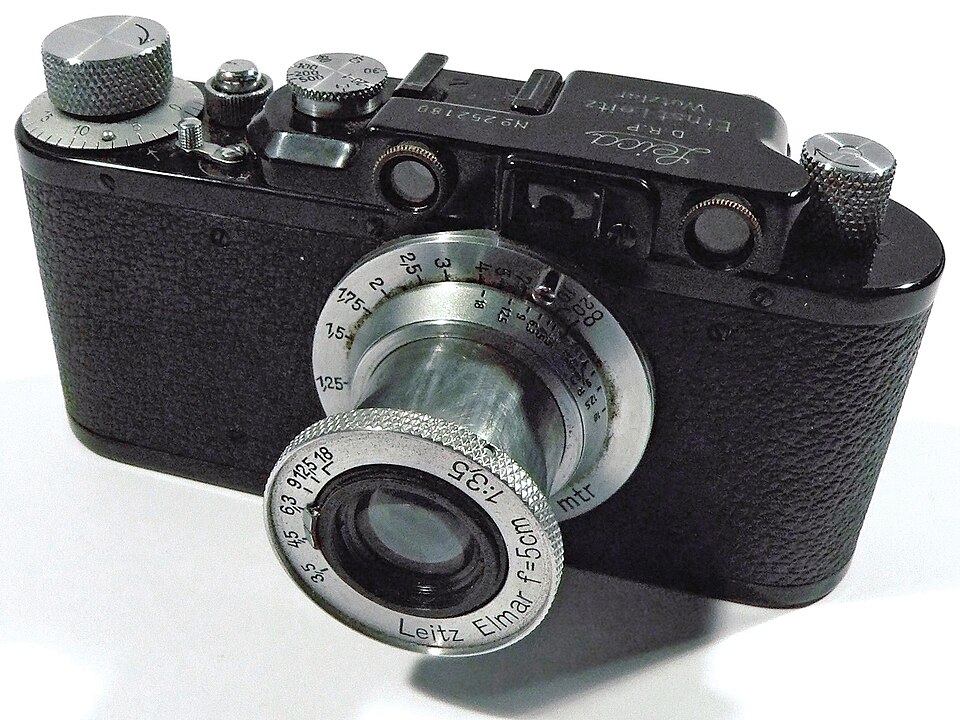
The Leica II introduced the coupled rangefinder to the Barnack platform, enabling precise focus in a pocket-sized camera for the first time. This one innovation is the direct ancestor of the rangefinder found in every Leica M body today.
Famous for
- The first Leica with a coupled rangefinder (1932), making precise focus fast and discreet
- The template for every coupled-RF camera that followed
The Leica II, introduced in 1932, added a separate coupled rangefinder window to the Barnack body — a breakthrough that transformed the Leica from a capable snapshot camera into a precision photographic instrument. Before the Leica II, focusing a small camera meant guessing distances or using zone focus. With the coupled rangefinder, a photographer could focus accurately in any light, on any subject, at full aperture.
This single addition changed photojournalism. With precise focus available at a glance, photographers like Erich Salomon could work in low-light, uncontrolled environments with confidence. The rangefinder patch was in a separate window from the viewfinder — combined VF/RF would wait for the M3 — but it was enough. The Leica II is the body that made the Barnack platform complete, and the coupled rangefinder it introduced remains the defining feature of every M camera Leica makes today.
Key specs
- type
- 35mm rangefinder
- rangefinder
- coupled, separate window
- film
- 35mm
- shutter
- cloth focal-plane, 1/20–1/500s
- mount
- Leica screw (LTM / M39)
Variants & finishes
The Leica II added a rangefinder to the original I body in 1932 — allowing accurate focusing through a separate window. The direct ancestor of every coupled-rangefinder camera that followed.
Photographs made with this equipment1

Market value
Used-market price (USD, estimated median)
Estimates from auction and dealer records — condition and completeness vary.
View data
| Date | Price | Source | Condition |
|---|---|---|---|
| 2016-01 | $250 | Collector Index | Good |
| 2020-01 | $350 | Collector Index | Good |
| 2026-01 | $450 | Collector Index | Good |
Comments
No comments yet — be the first.